


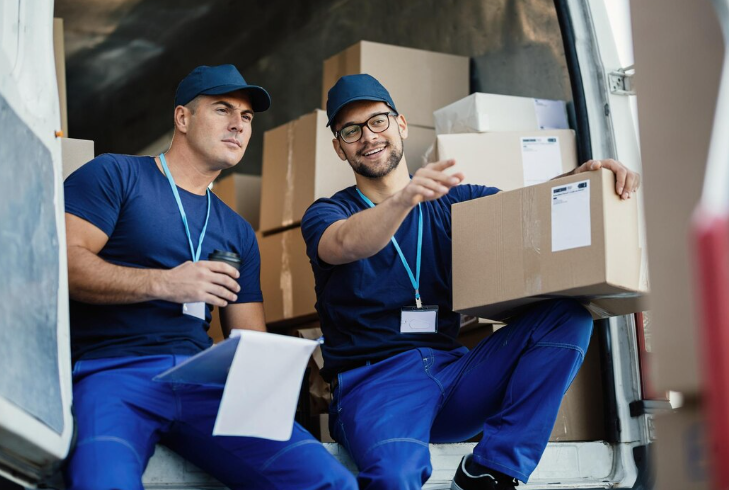
Packing is one of the most important steps in any move. The way items are packed directly affects their safety during transport. Many people struggle to decide what they should pack themselves and what should be handled by professionals. Making the right decision can save time, reduce stress, and prevent damage.
Choosing professional movers and packers can simplify the process. However, not every item needs professional handling. Some belongings are better managed personally for safety and convenience. Understanding this balance helps create a smooth and organized move.
What Should Movers Pack and What Should I Pack Myself?
Professional movers should handle large, heavy, fragile, and complex items. These require proper tools, experience, and packing materials. On the other hand, personal, valuable, and essential items should be packed by you. This ensures control and easy access during the move.
Here is a simple breakdown:
- Movers should pack bulky and fragile items
- You should pack valuables and personal essentials
- Movers handle items that need special equipment
- You manage items that require personal care
This division improves efficiency and reduces risk. It also helps you stay organized throughout the moving process.
Items Professional Movers Should Pack
Professional movers are trained to handle items that require care and precision. Their experience ensures that items are packed securely and transported safely.
Large and Heavy Furniture
Large furniture pieces are difficult to move without proper equipment. Movers know how to disassemble and protect these items. They use padding, wraps, and tools to prevent damage.
Common items movers should pack include:
- Beds and mattresses
- Sofas and couches
- Wardrobes and cabinets
- Dining tables
Handling these items without experience can lead to damage or injury. Professional packing ensures safe handling.
Fragile and High-Risk Items
Fragile items need special packing techniques. Movers use high-quality materials to protect delicate belongings. This reduces the chances of breakage during transport.
These items include:
- Glassware and dishes
- Mirrors and frames
- Artwork and decor
- Lamps and delicate items
Proper wrapping and cushioning are essential for these items.
Electronics and Appliances
Electronics are sensitive and require careful handling. Movers understand how to pack and transport them safely. They use protective materials to avoid damage.
Typical electronics and appliances include:
- Televisions
- Refrigerators
- Washing machines
- Computers and monitors
Professional handling ensures these items remain functional after the move.
Bulk Household Items
Movers can efficiently pack large quantities of household items. This saves time and ensures uniform packing.
For businesses, working with local office movers can further streamline packing and relocation. Bulk packing requires organization and proper labeling to avoid confusion during unpacking.
Items You Should Pack Yourself
Some items are better handled personally. These items often require special attention or quick access.
Personal and Valuable Items
Valuables should always stay with you. This ensures their safety and prevents loss.
Important items include:
- Jewelry and cash
- Personal gadgets
- Family valuables
Keeping these items with you provides peace of mind.
Everyday Essentials
You will need certain items immediately after the move. Packing them separately makes them easy to access.
Examples include:
- Clothing for daily use
- Toiletries
- Basic kitchen items
Keeping essentials accessible helps you settle quickly.
Prohibited or Restricted Items in California
Certain items cannot be transported by movers due to safety regulations. These items must be handled separately.
Common restricted items include:
- Flammable liquids
- Hazardous chemicals
- Perishable food items
Understanding these restrictions helps avoid issues on moving day.
Important Documents and Records
Documents should always be packed personally. Losing them can create serious problems.
These include:
- Identification documents
- Legal papers
- Medical records
Keeping them secure ensures easy access when needed.
Self-Packing Tips for a Safe Move
Self-packing requires careful planning and proper materials. Following the right steps ensures that your items remain safe.
Choosing the Right Packing Materials
Using quality materials is essential for protecting your belongings. Weak boxes can lead to damage.
Recommended materials include:
- Sturdy cardboard boxes
- Packing tape
- Bubble wrap
- Cushioning materials
Good materials provide better protection during transport.
Labeling Boxes Properly
Labeling helps organize your move. It makes unpacking faster and more efficient.
Important labeling tips:
- Write the room name on each box
- Mark fragile items clearly
- Use consistent labeling methods
Proper labeling reduces confusion and saves time.
Organizing Items by Category
Grouping similar items together improves organization. It also makes unpacking easier.
You can:
- Pack kitchen items separately
- Group clothing by type
- Keep electronics in one place
For better results, many people use local shifting services to handle complex packing tasks.
Understanding Packing Insurance Coverage
Insurance plays an important role in protecting your belongings during a move. Knowing what is covered helps you make informed decisions.
What Professional Packing Insurance Covers
When movers pack your items, they often provide coverage for damages. This adds an extra layer of protection.
Coverage may include:
- Damage during transport
- Breakage due to handling
- Loss under specific conditions
This makes professional packing a safer option for valuable items.
Risks of Self-Packing
Self-packed items may not be fully covered by insurance. Improper packing can lead to damage.
Risks include:
- Weak packing materials
- Incorrect wrapping techniques
- Increased chance of breakage
Understanding these risks helps you decide what to pack yourself.
Cost vs. Convenience: Should You Hire Packing Services?
Packing services come with a cost, but they offer significant convenience. Professional packing saves time and reduces effort. It also ensures that items are packed correctly.
Self-packing can reduce costs but requires time and effort. It also increases responsibility for item safety. Choosing between the two depends on your priorities.
Consider these points:
- Professional packing saves time
- DIY packing reduces cost
- Professionals provide better protection
- Self-packing offers more control
Balancing cost and convenience helps you make the right choice.
Final Packing Checklist Before Moving Day
A final checklist ensures that nothing is missed. It helps you stay organized and prepared.
Important steps include:
- Confirm all boxes are sealed properly
- Label every box clearly
- Separate essential items
- Check restricted items list
- Verify moving schedule
If you need assistance, you can always contact Two Men Will Move You. Proper preparation leads to a smooth moving experience.
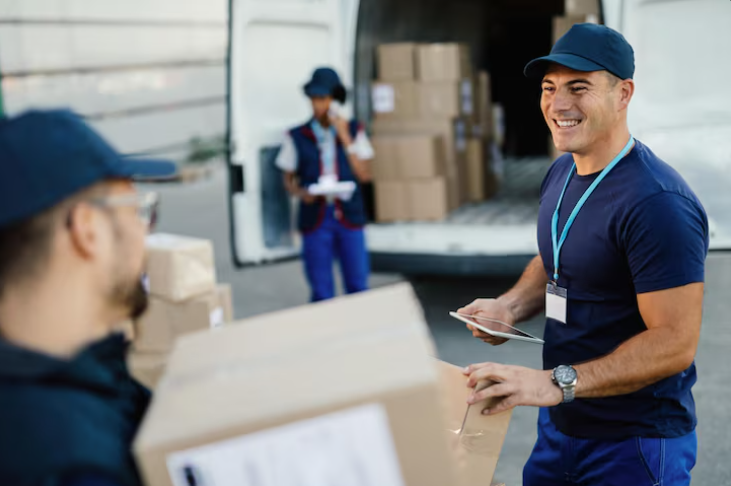
Conclusion: Finding the Right Packing Balance
Deciding what movers should pack and what you should handle yourself is essential for a successful move. Professional movers are best suited for heavy, fragile, and complex items. Personal belongings, valuables, and essentials should remain with you.
A balanced approach ensures safety, efficiency, and cost control. Understanding packing responsibilities helps reduce stress and avoid damage. With proper planning and the right support, your move can be smooth and well-organized.