


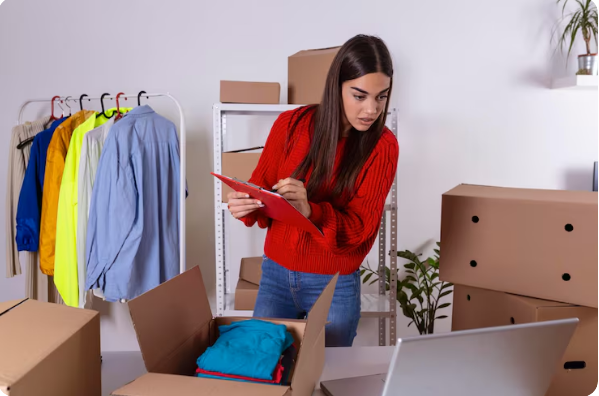
Packing for a move can quickly become overwhelming when every room contains different types of belongings. Kitchenware needs careful protection, bedrooms require organized packing, and living rooms often contain large or fragile furniture. Without a plan, it is easy to lose track of boxes, forget essential items, or leave too much work until moving day.
Using professional local packers near me can simplify the process, but knowing how to organize your belongings is still valuable. A room-by-room approach allows you to pack systematically, protect fragile possessions, and make unpacking easier at your new property.
Whether you are preparing for a small apartment move or relocating an entire household, this guide explains how to approach each room, what to pack first, and how to prepare everything before moving day.
Create a Packing Plan Before You Begin
A successful packing process starts with organization. Instead of moving from room to room without a plan, create a schedule that gives you enough time to pack gradually.
Starting early also gives you the opportunity to remove belongings you no longer need. The fewer unnecessary items you transport, the easier and more efficient your move will be.
Choose a Packing Timeline
Begin with rooms and belongings that are not used every day. Seasonal decorations, spare bedrooms, storage areas, books, and rarely used appliances can usually be packed well before moving day.
Gather Quality Packing Materials
Use sturdy boxes, packing paper, bubble wrap, tape, labels, and protective materials. Different belongings require different levels of protection, so avoid relying on a single type of packing material.
Create a Labeling System
Label every box with its destination room and a short description of its contents. You can also mark boxes containing fragile items so they receive extra attention during loading.
Prepare an Essentials Box
Keep one box or bag separate for the first day and night. Include toiletries, chargers, medications, basic clothing, important documents, snacks, and other necessities.
Packing the Kitchen
The kitchen often takes longer to pack than expected because it contains many small, fragile, and oddly shaped items. Plates, glasses, appliances, cookware, utensils, and food products should be organized carefully.
Professional local moving and packing services can be particularly useful when a kitchen contains fragile dishes, expensive appliances, or a large number of household items.
Sort Food and Pantry Items
Check expiration dates and discard food that should not be transported. Seal open containers properly and consider donating unopened products that you do not need.
Protect Dishes and Glassware
Wrap individual dishes, glasses, and other fragile items with packing paper or protective material. Place heavier items at the bottom of boxes and lighter pieces on top.
Pack Small Appliances
Clean and dry appliances before packing them. Keep cords organized and use protective materials to prevent scratches and impact damage.
Label Kitchen Boxes Clearly
Clearly identify kitchen boxes so they can be placed in the correct room immediately after arrival.
Packing the Bedroom
Bedrooms may appear simple to pack, but clothing, bedding, shoes, accessories, electronics, and personal items can quickly fill multiple boxes.
Start with items you are not currently using and leave everyday essentials until closer to moving day.
Organize Clothing
Sort clothing by season and type. Fold garments into boxes or use wardrobe boxes when appropriate to keep hanging clothes organized.
Pack Bedding Separately
Place sheets, blankets, pillowcases, and towels in clearly labeled bags or boxes. Keeping bedding together allows you to prepare your new bedroom quickly.
Protect Jewelry and Valuables
Small valuables should remain with you instead of being placed in the moving truck whenever possible.
Prepare an Overnight Bag
Keep several days of essential clothing and personal items accessible rather than packing everything away.
Packing the Living Room
Living rooms often contain some of the largest and most valuable household items. Sofas, tables, televisions, lamps, artwork, books, and entertainment systems all require different packing approaches.
Taking measurements before moving large furniture can also help you determine whether items will fit through doorways, stairways, elevators, and other access points.
Protect Furniture
Use moving blankets, furniture pads, stretch wrap, and other protective materials to reduce the risk of scratches and dents.
Prepare Electronics
Disconnect electronics carefully and label cables before packing. Taking photographs of connections can make setup easier after the move.
Handle Artwork Carefully
Wrap mirrors, framed artwork, and decorative pieces individually. Avoid placing heavy objects on top of fragile artwork.
Organize Books and Small Items
Use smaller boxes for books because they become extremely heavy when packed together in large boxes.
Packing the Bathroom
Bathrooms contain many small products that can easily leak or become damaged during transportation. Packing them carefully prevents messes and protects other belongings.
Before packing, check medications, toiletries, cleaning products, towels, and personal care items.
Seal Liquids Properly
Close bottles tightly and place them inside sealed plastic bags to reduce the risk of leaks.
Separate Medications
Keep prescription medications and important health-related items with you rather than placing them in the moving truck.
Pack Towels Together
Towels can be packed efficiently and can also provide additional cushioning for suitable bathroom items.
Keep Essentials Accessible
Leave basic toiletries, toilet paper, soap, and other necessities available until moving day.
Packing the Garage and Storage Areas
Garages, attics, basements, and storage rooms often contain belongings that have not been used for months or years. These areas should be addressed early because they can take considerable time to sort.
Decluttering these spaces before packing can significantly reduce the number of boxes you need to transport.
Sort Tools and Equipment
Group tools together and protect sharp or pointed items appropriately.
Separate Seasonal Items
Holiday decorations, camping equipment, sports gear, and seasonal clothing can be packed together and labeled clearly.
Dispose of Unwanted Items
Remove broken, outdated, or unused belongings before moving them to your new property.
Check Moving Restrictions
Certain household products may require special handling or may not be suitable for transportation. Ask your moving company about any questionable items before packing.
Packing the Home Office
Home offices contain important documents, computers, printers, electronics, and personal information. Organization and security should be priorities when packing this space.
Create separate groups for technology, documents, office supplies, and personal belongings.
Back Up Digital Information
Before moving computers and storage devices, make sure important files are backed up.
Organize Cables
Label cables and accessories so you can identify which equipment they belong to after unpacking.
Protect Electronics
Use original packaging where available or appropriate protective materials to cushion monitors, computers, printers, and other equipment.
Secure Important Documents
Keep passports, financial documents, contracts, identification, and other sensitive paperwork with you.
Preparing for Professional Packers
If you decide to hire professional packing assistance, preparation can make the service even more efficient. Professional packers can work faster when belongings have already been sorted and unnecessary items have been removed.
Experienced packing professionals can also identify appropriate materials and techniques for fragile or unusually shaped possessions.
Identify Fragile Items
Tell the packing team about valuable glassware, artwork, electronics, antiques, and other belongings requiring additional protection.
Separate Personal Essentials
Clearly identify anything that should not be packed or transported by the moving team.
Communicate Special Requirements
Explain any concerns involving furniture, delicate belongings, access restrictions, or unusual items.
Confirm the Schedule
Verify the packing and moving dates so everything is completed in the correct order.
Working With Local Moving Experts
Once everything is packed, loading and transportation become the next major parts of the relocation. Hiring experienced local moving experts can reduce the physical effort involved and provide professional assistance with heavy or bulky belongings.
Experienced movers understand how to arrange boxes and furniture inside a moving vehicle to make efficient use of available space while helping protect belongings during transportation.
Prepare Clear Access Routes
Make sure hallways, stairways, doorways, and pathways are free from unnecessary obstacles.
Keep Important Items Separate
Valuables, documents, medications, and personal essentials should remain accessible to you.
Communicate With the Moving Crew
Point out fragile boxes, oversized furniture, and any belongings that require special handling.
Check the Property Before Leaving
Complete a final walkthrough to check closets, cabinets, garages, storage areas, and other spaces.
Preparing Office Items for a Commercial Move
Packing an office requires a different approach because business equipment and documents may be essential to daily operations. Proper preparation can reduce downtime and help employees resume normal activities sooner.
Professional local office movers can assist with transporting office furniture, electronics, files, and other workplace belongings.
Label Equipment
Clearly label computers, monitors, printers, and other equipment to make setup easier at the new location.
Organize Files
Keep important business documents organized and secure during transportation.
Protect Technology
Use suitable protective materials when packing computers, monitors, and other sensitive equipment.
Plan the New Layout
Knowing where desks, equipment, and furniture will go can help movers place items efficiently upon arrival.
Final Packing Checklist Before Moving Day
The final inspection should happen before the movers arrive. Taking time to check each room helps prevent forgotten belongings and last-minute confusion.
A well-organized final check also ensures that everything intended for transportation is properly packed and labeled.
Check Every Room
Walk through bedrooms, bathrooms, closets, kitchens, garages, storage spaces, and other areas.
Confirm Box Labels
Make sure every box has a destination room and that fragile items are clearly identified.
Separate Essentials
Keep your overnight bag, documents, medications, valuables, chargers, and other necessities with you.
Prepare for the Movers
Clear access routes and make sure the moving team can easily reach boxes and furniture.
Before moving day, make sure you:
Finish packing and labeling every box.
Keep essential belongings separate.
Complete a final property walkthrough.
Confirm the moving and packing schedule.
Conclusion
Packing a home room by room can make an otherwise stressful relocation much easier to manage. Starting early, decluttering unnecessary belongings, using suitable packing materials, and labeling boxes properly can save time and make unpacking more organized.
Professional local packing services can provide additional support when you have a large household, fragile belongings, limited time, or simply want to reduce the physical demands of moving. Combining professional assistance with good preparation can create a smoother experience from the first packed box to the final item placed in your new home.
If you’re preparing for an upcoming move and need reliable packing or moving assistance, Contact Us to discuss your requirements and find a service that fits your relocation needs.
Frequently Asked Questions
Ideally, start packing several weeks before the move. Begin with items you rarely use and gradually work toward everyday belongings as moving day approaches.
Local packing services provide professional assistance with preparing household or business belongings for transportation. Services may include packing, labeling, wrapping, and preparing fragile items.
Yes. Packing one room at a time keeps belongings organized and makes it easier to label boxes and unpack them at your new property.
Wrap fragile items individually using packing paper, bubble wrap, or other suitable protective materials. Place them securely inside sturdy boxes and clearly label the boxes as fragile.
It is generally best to keep highly valuable, important, or sensitive personal items with you whenever practical, including jewelry, important documents, medications, and certain electronics.